Thriveherd blog
Get practical insight on career change, confidence and purposeful work.
Short, thoughtful emails without noise. Unsubscribe anytime.
Professional development can sound like one of those phrases that only appears in appraisal forms, HR documents, or LinkedIn posts written by people who seem suspiciously enthusiastic about webinars.
But strip the phrase back, and what we are really talking about is actually much simpler: it’s the process of not standing still.
It is essentially choosing to keep learning, stretching, adjusting and building yourself, rather than assuming your current knowledge will carry you indefinitely.
And in a working world that keeps shifting under people’s feet, that matters more than most of us might like.
As most of us know – or have experienced – work has a habit of changing before we feel ready. Industries evolve, technology moves on, expectations creep upward... Roles that once felt secure and reliable can start asking something different of us.
So, while professional development can sometimes feel like a box-ticking exercise, the deeper point is this: if you do not keep growing, eventually you’ll start feeling the ground move beneath you.
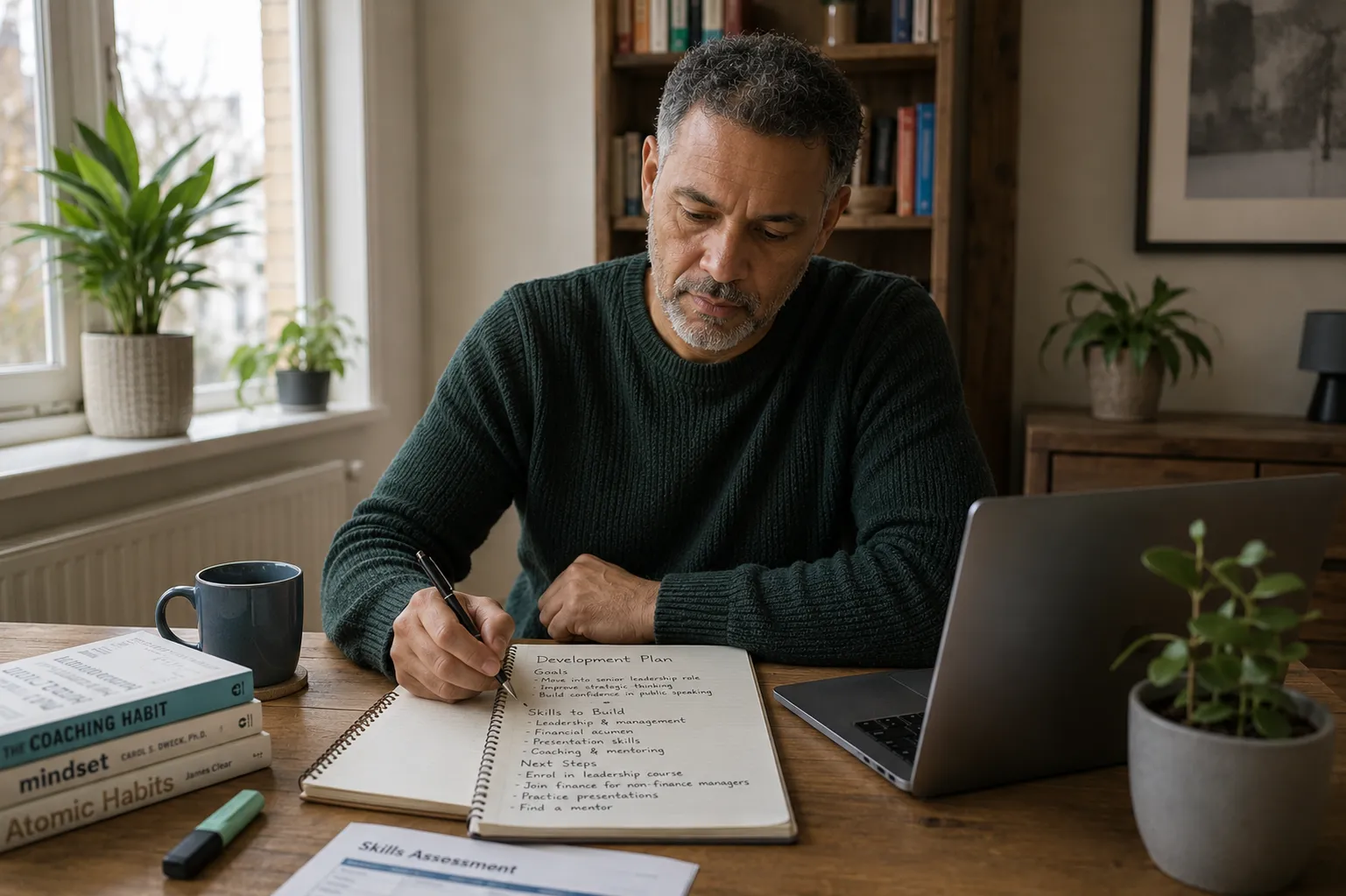
Professional development isn't only about formal training courses or collecting certificates.
It can include those things, of course. But it can also mean learning through experience, reflection, mentoring, feedback, coaching, stretch projects, peer conversations, conferences, reading, short courses, or simply getting better at the work you already do by approaching it more consciously.
Thing is, people sometimes make the mistake of seeing development as something extra – something separate from real work.
In reality, it is often the thing that keeps your work alive and interesting. It's also what helps you stay useful, interested, adaptable and – importantly – employable.

Most people do not wake up one morning and think, I really ought to invest in my professional development.
Usually, the feeling builds over time or arrives via another route.
For example:
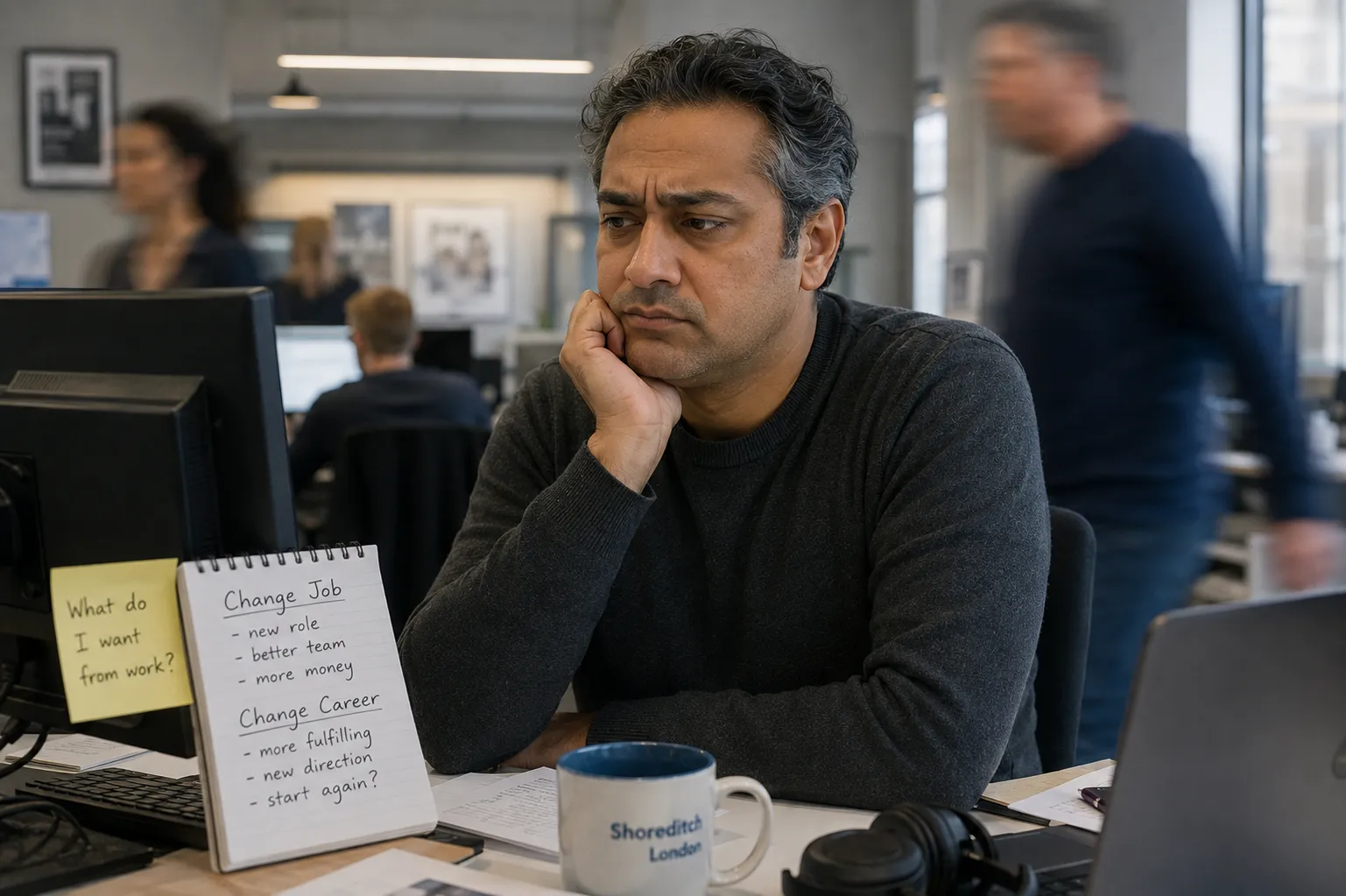
Or perhaps you are not behind at all – maybe you're just restless. You can do the role, you know the systems inside out, you understand the politics, but something in you knows you have stopped expanding.
It makes sense that this can feel uncomfortable: stagnation is not always dramatic. Often, it can just feel kind of flat.
Professional development matters because it helps counter that flatness. It gives you movement and range. It gives you more options than you had before.
And this leads places – because when people have more options, they usually feel less trapped.
For individuals, professional development can strengthen career prospects in obvious and less obvious ways.
Yes, it can improve your skills. Yes, it can make promotion more likely. Yes, it can increase earning potential.
But it can also do something less obvious and, in many cases, more important.
It can restore a sense of momentum.
That matters because we know that confidence and motivation are often linked to movement. When you feel yourself learning, improving, testing new capabilities or broadening your range, it becomes easier to believe in yourself and your own future.
Professional development can help employees:
And that last point matters.
If your whole sense of value rests on one narrow version of what you currently do, any disruption can feel threatening. But when you keep developing, your identity becomes a bit more flexible. You are more than the role you happen to have at this exact point in your career.
This is not only a personal issue; it is an organisational one.
Employers often say they want capable, committed, adaptable people. Well, those qualities don't appear by magic.
They have to be developed, supported and given room.
Organisations that invest properly in development are usually doing more than helping individuals. They are building stronger teams, better succession, more resilience, and a healthier culture around learning.
That can lead to:
Let’s be honest, though. Employees can usually tell the difference between genuine development and performative development.
A token training budget, a generic webinar library, or an appraisal conversation that goes nowhere does not create a development culture.
What makes the difference is whether learning is actually taken seriously – whether people are encouraged to grow in ways that matter, and whether that growth connects to real opportunity.
One of the biggest misconceptions here is that development has to look impressive in order to count.
It does not.
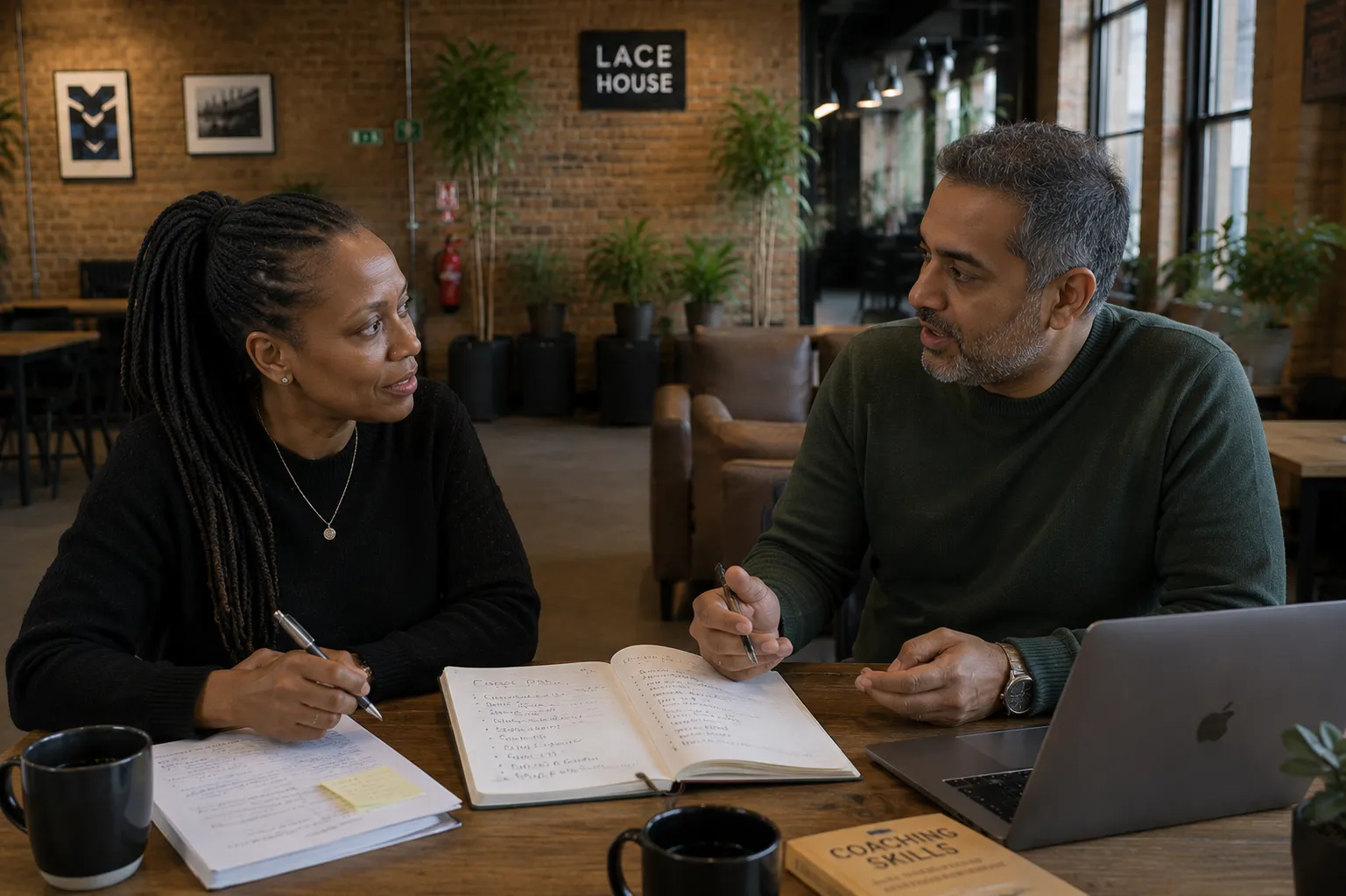
Sometimes development is a qualification; sometimes it's a career coaching relationship that helps you think more clearly; sometimes it means taking on a project slightly outside your comfort zone. Other times, it’s a matter of getting better at managing conflict, leading meetings, presenting ideas, or understanding the commercial side of your work.
Sometimes, though, it's simply realising that you have been leaning too heavily on old strengths and need to build new ones.
Useful development can come through:
After all, the real point is not to look busy developing yourself.
It is to become more capable in ways that actually change your options, effectiveness or working life.
There's another reason this matters.
Professional development is one of the main things that helps people stay resilient when work changes.
If your role shifts, your sector contracts, your organisation restructures, or your confidence takes a knock, development gives you something to work with. It gives you assets you can carry.
That does not mean every course or learning experience immediately pays off. Of course not – particularly if it’s a “might as well” course rather than a targeted build.
But over time, development builds depth and flexibility.
It helps you respond to change with more than panic.
It helps you move with a bit more range and a bit less fear.
And in career change especially, that is often half the battle.
Because people do not only need direction. They need enough adaptability to move once direction starts to emerge.
Development also creates connection.
Not in the forced, awkward sense people sometimes associate with networking, but in the more useful sense of proximity to other people who are learning, building, solving similar problems, or operating in spaces you may want to understand better.
That can matter a great deal – even if (or especially if) you don’t like networking.
A workshop, a course, a mentoring relationship, or an industry event can open doors not just because of the content, but because of the conversations around it.
Those conversations can lead to:
Most people don't say this out loud, but development is often as much about widening your world as it is about improving one specific skill.
For employers, there is often pressure to justify development in measurable terms.
That is fair enough. Investment should be thought through.
You can look at quantitative measures such as:
You can also look at qualitative signs such as:
But there is a trap here.
If organisations only value development when the impact is immediate and easily measurable, they often miss the bigger picture.
Some of the most valuable outcomes are cumulative. They build over time through stronger judgement, broader thinking, improved confidence, better collaboration, and a workforce that is less fragile when pressure comes.
If you are unsure whether coaching itself is appropriate, you may want to explore:
→ How to choose a career coach

If you are an individual, it helps to stop treating development as a vague good thing and make it more specific.
Ask yourself:
If you are an employer, the questions are different but related:
There is no single perfect model.
But there is a principle worth holding onto: development works best when it is connected to real life. Real goals. Real work. Real stretch. Real support.
Professional development is not about becoming endlessly optimised.
It is not about turning yourself into a project that is never allowed to rest.
And it is not about chasing credentials for the sake of appearances.
A healthier way to see it is this: development is one of the ways you stay in relationship with your own future.
You pay attention to what is changing. You notice where you need to grow. You invest in yourself in ways that make your working life more sustainable, more flexible, and more alive.
That might mean building technical knowledge. It might mean becoming a better leader. It might mean preparing for promotion. It might mean broadening your options because part of you knows the current path is no longer enough.
Whatever form it takes, it is rarely wasted.
Professional development matters because work changes, people change, and careers rarely stand still for long.
When taken seriously, it can improve skill, confidence, employability, resilience and long-term satisfaction. It can help individuals feel less stuck and help organisations become stronger, wiser and more adaptable.
It is worth pausing here, because the idea itself is easy to underestimate.
Learning does not only help you do your current job better. It can change what feels possible next.
And for many people, that is where its real value lies.
So whether you are an employee trying to future-proof your own career, or an employer trying to build a healthier, more capable organisation, the principle is much the same.
Keep growing on purpose.
Because standing still tends not to feel like standing still for very long.
Follow us on social media: